
A karmic relationship, contrary to popular misconceptions, is distinct from a soulmate connection. Rather than being a destined, harmonious partnership, karmic relationships are intense, often challenging connections driven by unresolved energies or lessons from past lives or earlier experiences.
Every romantic relationship we encounter carries some karmic elements, as each one stirs frequencies or patterns from previous incarnations. These patterns create a magnetic, almost inexplicable attraction to certain individuals, pulling us toward them as if drawn by an unseen force. The purpose of these relationships is not necessarily to find lasting happiness but to transmute the karma tied to the connection, enabling us to break free from cycles of suffering and pain and move closer to true fulfillment and spiritual growth.
The underlying reason for entering a karmic relationship is to address and resolve karmic imbalances—debts, wounds, or lessons carried over from past lives or unresolved issues in this lifetime. These relationships act as a crucible for transformation, pushing us to confront deep-seated patterns that keep us tethered to suffering. By working through these challenges, we create the opportunity to rise above limiting behaviors and align with our higher purpose, ultimately finding greater peace and happiness.
### Characteristics of Karmic Relationships
Karmic relationships are marked by distinct traits that set them apart from healthier, growth-oriented partnerships. These characteristics often reflect imbalance, intensity, and emotional turmoil, signaling the presence of unresolved karma. They include: - Intense, Obsessive Attraction: There’s a powerful, almost uncontrollable pull toward the other person, where your mind becomes fixated on them. This attraction feels magnetic but often lacks a rational basis, driven instead by karmic familiarity.
- Sacrificing Personal Interests: One partner may abandon their own needs, desires, or hobbies to please the other, leading to a loss of individuality and self-worth.
- Addictive Behaviors: The relationship may foster dependencies, such as an addiction to sex, drugs, or alcohol, which bind the partners together in unhealthy ways, reinforcing toxic dynamics.
- Financial Strain: One partner may impose financial limitations or burdens on the other, creating dependency or resentment, further complicating the relationship’s balance.
- Abusive Dynamics: Karmic relationships can involve various forms of abuse—emotional, psychological, or even physical—perpetuating harm and reinforcing negative patterns.
- Selfishness and Irresponsibility: One partner may consistently display selfish behavior or shirk responsibilities, leaving the other to bear the emotional or practical weight of the relationship.
- Physical and Emotional Toll: After intimate moments, such as intercourse, one partner may experience weight loss or gain due to stress or a phenomenon described as “energy theft,” where one partner’s energy feels drained by the other.
- Control and Manipulation: One partner may exert dominance over the other, using control tactics to maintain power, which stifles mutual growth and fosters resentment.
- Deception and Betrayal: Lies, infidelity, or betrayal are common, eroding trust and causing emotional pain.
- Damage to Self-Esteem: The relationship often involves behaviors that undermine one or both partners’ self-worth, such as criticism, neglect, or devaluation.
- Superficial Connection: Interactions may revolve around physical intimacy, with one partner only engaging for sex and ignoring the other’s emotional needs afterward, leaving the relationship feeling shallow and unfulfilling. ### Lack of True Growth
Unlike relationships that foster mutual growth and emotional fulfillment, karmic relationships often lack genuine internal progress. They are characterized by confusion, indecision, and stagnation, both within the individuals and in the relationship’s external dynamics.
The intensity and drama of these connections can cloud judgment, making it difficult to see the path forward or recognize the lessons embedded in the experience. ### The Cycle of Repetition
As long as we remain caught in the same behavioral or emotional patterns, we will continue to attract similar karmic relationships. These patterns persist because we have not yet developed the maturity or awareness to confront and resolve them. The relationships serve as mirrors, reflecting our unresolved wounds or limiting beliefs, and they will recur until we learn the necessary lessons. This cycle can feel frustrating, as it may seem like we’re stuck attracting the same types of partners or dynamics, preventing us from moving forward in life. ### Barriers to Healing
Many individuals in karmic relationships yearn for a better, more fulfilling life but struggle to break free from these patterns. This is often because they are unwilling—or unsure how—to engage in the inner healing required to shift their reality. Facing one’s truth, acknowledging past wounds, and taking steps toward self-awareness can feel daunting. Without a clear starting point or guidance, the process of healing may seem overwhelming, keeping individuals trapped in the cycle of karmic relationships. ### Breaking Free and Embracing Growth
The key to moving beyond karmic relationships lies in self-awareness and a commitment to personal growth. Recognizing that these relationships are opportunities to learn, heal, and evolve is the first step. By taking responsibility for our own truth—acknowledging our patterns, wounds, and desires—we can begin to break free from the cycle of suffering. This involves inner work, such as reflecting on past behaviors, setting boundaries, and prioritizing self-love. When we are ready to release these karmic patterns, we open the door to healthier, more balanced relationships. These new connections are built on mutual growth, respect, and a shared commitment to embracing love and fulfillment. Both partners in such a relationship are willing to evolve together, supporting each other’s journeys while fostering a sense of harmony and purpose. ### Final Thoughts
Karmic relationships, while challenging and often painful, are not without purpose. They are spiritual contracts designed to help us confront unresolved karma, heal old wounds, and grow into our highest potential. By recognizing their characteristics, understanding their role in our lives, and committing to inner healing, we can transmute the pain of these relationships into wisdom and strength. This process allows us to move toward relationships that align with our true desires, where love is nurturing, balanced, and conducive to mutual growth. ~Ancestral Healing
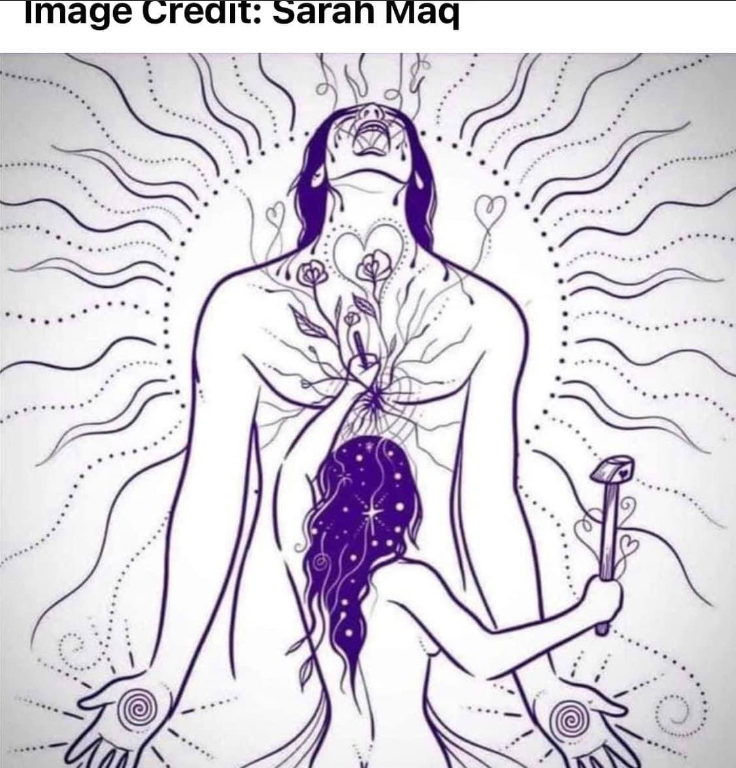
Art: Same
Karmic relationships are marked by distinct traits that set them apart from healthier, growth-oriented partnerships. These characteristics often reflect imbalance, intensity, and emotional turmoil, signaling the presence of unresolved karma. They include: - Intense, Obsessive Attraction: There’s a powerful, almost uncontrollable pull toward the other person, where your mind becomes fixated on them. This attraction feels magnetic but often lacks a rational basis, driven instead by karmic familiarity.
- Sacrificing Personal Interests: One partner may abandon their own needs, desires, or hobbies to please the other, leading to a loss of individuality and self-worth.
- Addictive Behaviors: The relationship may foster dependencies, such as an addiction to sex, drugs, or alcohol, which bind the partners together in unhealthy ways, reinforcing toxic dynamics.
- Financial Strain: One partner may impose financial limitations or burdens on the other, creating dependency or resentment, further complicating the relationship’s balance.
- Abusive Dynamics: Karmic relationships can involve various forms of abuse—emotional, psychological, or even physical—perpetuating harm and reinforcing negative patterns.
- Selfishness and Irresponsibility: One partner may consistently display selfish behavior or shirk responsibilities, leaving the other to bear the emotional or practical weight of the relationship.
- Physical and Emotional Toll: After intimate moments, such as intercourse, one partner may experience weight loss or gain due to stress or a phenomenon described as “energy theft,” where one partner’s energy feels drained by the other.
- Control and Manipulation: One partner may exert dominance over the other, using control tactics to maintain power, which stifles mutual growth and fosters resentment.
- Deception and Betrayal: Lies, infidelity, or betrayal are common, eroding trust and causing emotional pain.
- Damage to Self-Esteem: The relationship often involves behaviors that undermine one or both partners’ self-worth, such as criticism, neglect, or devaluation.
- Superficial Connection: Interactions may revolve around physical intimacy, with one partner only engaging for sex and ignoring the other’s emotional needs afterward, leaving the relationship feeling shallow and unfulfilling. ### Lack of True Growth
Unlike relationships that foster mutual growth and emotional fulfillment, karmic relationships often lack genuine internal progress. They are characterized by confusion, indecision, and stagnation, both within the individuals and in the relationship’s external dynamics.
The intensity and drama of these connections can cloud judgment, making it difficult to see the path forward or recognize the lessons embedded in the experience. ### The Cycle of Repetition
As long as we remain caught in the same behavioral or emotional patterns, we will continue to attract similar karmic relationships. These patterns persist because we have not yet developed the maturity or awareness to confront and resolve them. The relationships serve as mirrors, reflecting our unresolved wounds or limiting beliefs, and they will recur until we learn the necessary lessons. This cycle can feel frustrating, as it may seem like we’re stuck attracting the same types of partners or dynamics, preventing us from moving forward in life. ### Barriers to Healing
Many individuals in karmic relationships yearn for a better, more fulfilling life but struggle to break free from these patterns. This is often because they are unwilling—or unsure how—to engage in the inner healing required to shift their reality. Facing one’s truth, acknowledging past wounds, and taking steps toward self-awareness can feel daunting. Without a clear starting point or guidance, the process of healing may seem overwhelming, keeping individuals trapped in the cycle of karmic relationships. ### Breaking Free and Embracing Growth
The key to moving beyond karmic relationships lies in self-awareness and a commitment to personal growth. Recognizing that these relationships are opportunities to learn, heal, and evolve is the first step. By taking responsibility for our own truth—acknowledging our patterns, wounds, and desires—we can begin to break free from the cycle of suffering. This involves inner work, such as reflecting on past behaviors, setting boundaries, and prioritizing self-love. When we are ready to release these karmic patterns, we open the door to healthier, more balanced relationships. These new connections are built on mutual growth, respect, and a shared commitment to embracing love and fulfillment. Both partners in such a relationship are willing to evolve together, supporting each other’s journeys while fostering a sense of harmony and purpose. ### Final Thoughts
Karmic relationships, while challenging and often painful, are not without purpose. They are spiritual contracts designed to help us confront unresolved karma, heal old wounds, and grow into our highest potential. By recognizing their characteristics, understanding their role in our lives, and committing to inner healing, we can transmute the pain of these relationships into wisdom and strength. This process allows us to move toward relationships that align with our true desires, where love is nurturing, balanced, and conducive to mutual growth. ~Ancestral Healing
Art: Same



Comments
No comments yet. Be the first to share your thoughts!
Leave a comment